
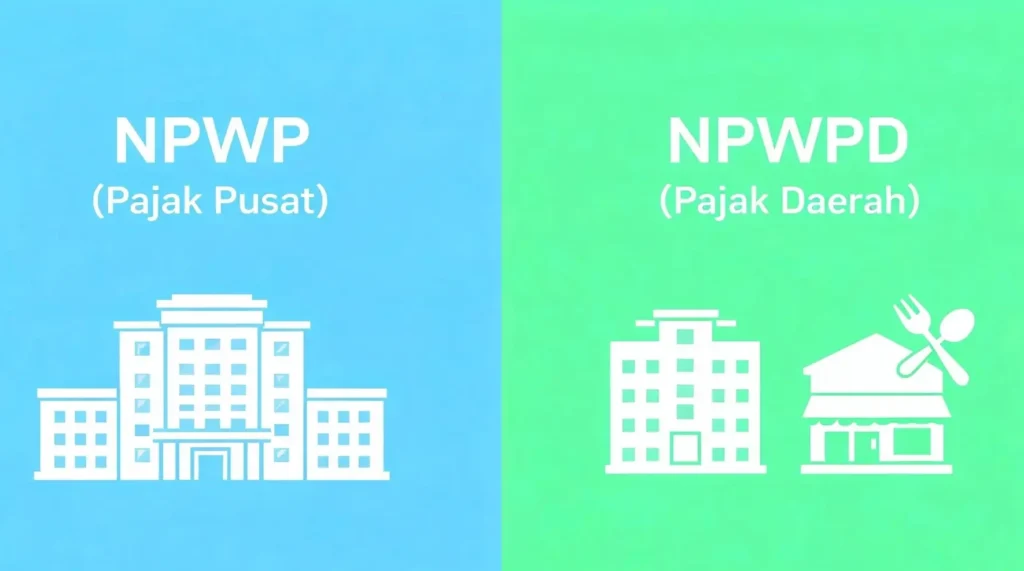


Understanding the difference between NPWP and NPWPD is essential for every business owner in Indonesia. Although both are related to taxation, many business actors still do not clearly understand their respective functions and roles. In fact, a misunderstanding of these two types of tax identification numbers can impact business administration and potentially lead to sanctions.
What Is NPWP?
NPWP (Nomor Pokok Wajib Pajak / Taxpayer Identification Number) is a tax identity issued by the central government through the Directorate General of Taxes. NPWP is used to manage all tax obligations that are national in nature.
In practice, NPWP is required for various business purposes, such as reporting income tax (PPh), handling business administration, and collaborating with external parties. Therefore, almost all business actors, both individuals and entities, are required to have an NPWP.
What Is NPWPD?
NPWPD (Nomor Pokok Wajib Pajak Daerah / Regional Taxpayer Identification Number) is an identity number issued by local governments for regional tax purposes. Unlike NPWP, NPWPD only applies to specific types of taxes under local government jurisdiction.
Typically, NPWPD is required for businesses related to specific services, such as hotels, restaurants, entertainment venues, parking facilities, and other sectors subject to regional taxes in accordance with local regulations.
Key Differences Between NPWP and NPWPD to Understand
 What Is the Difference Between NPWP and NPWPD?
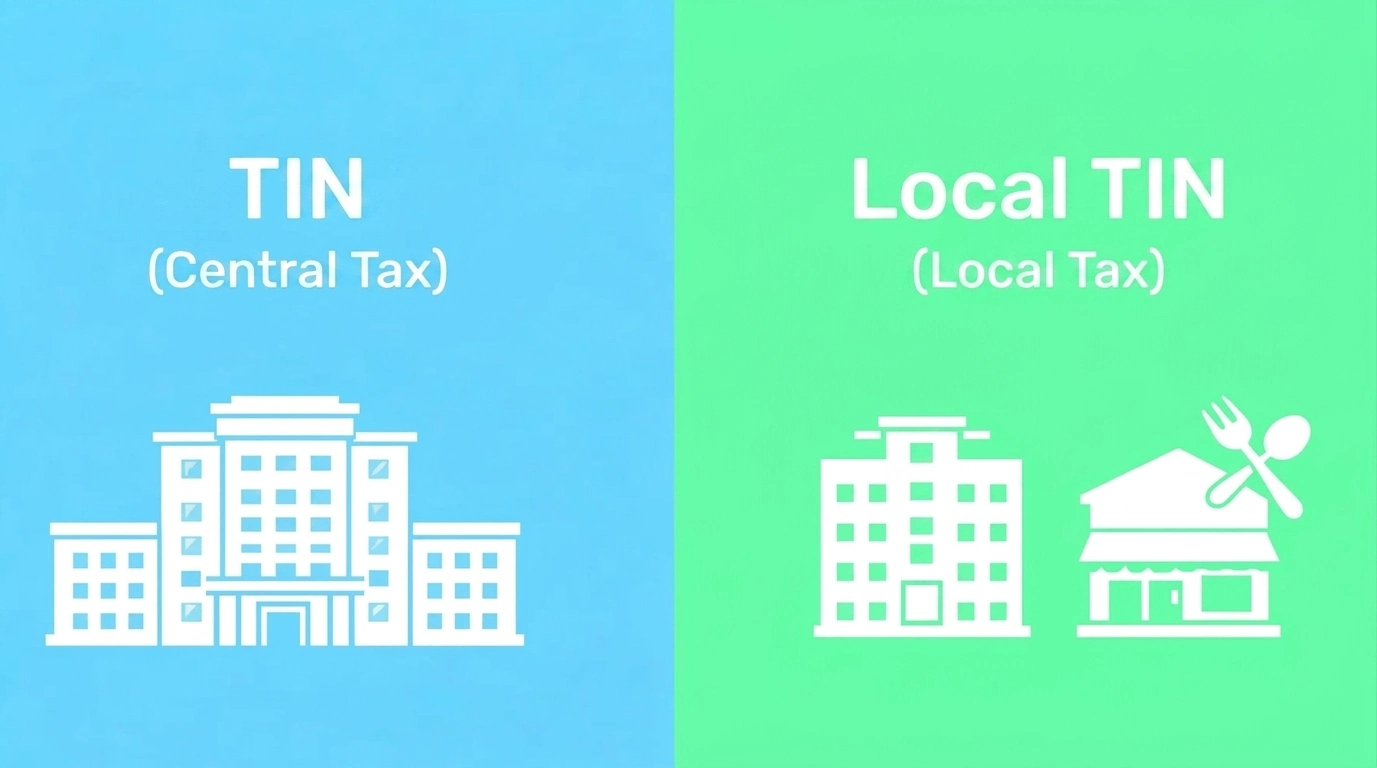
Here are several main differences between NPWP and NPWPD that business owners should understand:
-
Primary Function: NPWP is used to manage central tax obligations such as income tax and VAT. Meanwhile, NPWPD is used specifically to manage regional taxes related to certain business activities.
-
Tax Scope: NPWP covers taxes applicable nationally throughout Indonesia. Conversely, NPWPD only applies to local taxes in accordance with the region where the business operates.
-
Issuing Authority: NPWP is issued by the central government through the Directorate General of Taxes. Meanwhile, NPWPD is issued by the local government.
-
Types of Taxes Managed: NPWP encompasses various types of taxes, such as Income Tax (PPh) and Value Added Tax (VAT / PPN). On the other hand, NPWPD focuses on regional taxes such as restaurant tax, hotel tax, entertainment tax, and similar levies.
-
Ownership Obligation: Almost all business entities are required to have an NPWP. However, NPWPD is only mandatory for businesses that possess regional tax objects.
-
Role in Business: NPWP plays a role in general tax administration and is frequently used across various business needs. NPWPD serves a more specific role in ensuring local tax obligations are properly fulfilled.
Ultimately, NPWP and NPWPD cannot replace one another as they serve distinct yet complementary functions within the taxation system.
Does Every Business Need Both NPWP and NPWPD?
Not all businesses are required to have an NPWPD, but almost all businesses are required to have an NPWP. NPWPD is only necessary if your business falls under a category subject to regional tax.
For example, businesses in the culinary, hospitality, or entertainment sectors are generally required to possess an NPWPD. Meanwhile, businesses not directly linked to regional tax objects may only require an NPWP. Understanding this distinction is crucial so you do not make mistakes when handling permits and tax obligations.
Risks of Not Understanding the Difference
A lack of understanding regarding the differences between NPWP and NPWPD can cause various issues, ranging from administrative errors and reporting delays to potential fines from authorities.
Furthermore, discrepancies in tax management can hinder business licensing processes and commercial partnerships. Over time, this can negatively affect your business’s credibility.
The Role of Tax Consultants in Managing NPWP and NPWPD
For business owners who want to focus more on business development, using tax consultant services can be an effective solution. Tax consultants help ensure that all tax obligations, both central and regional, are accurately fulfilled.
They can also provide guidance regarding the differences between NPWP and NPWPD, assist with processing applications, and formulate efficient tax strategies in accordance with applicable regulations.
Conclusion
Understanding the difference between NPWP and NPWPD is an important first step in properly managing business taxes. NPWP is used for central taxes, while NPWPD is used for regional taxes with a more specific function.
By understanding both, you can avoid administrative mistakes, reduce the risk of sanctions, and ensure your business operates in compliance with regulations. If needed, support from a tax consultant can make this process easier and more efficient.